Table Of Content
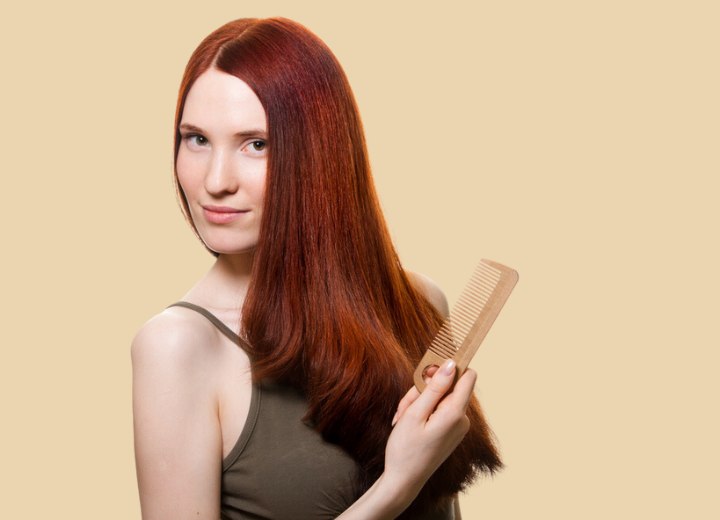
This tool specifically sections hair and infuses volume into kinky or poufy hairstyles. Fine-toothed combs also come in fishtail or rat-tail versions, where the comb features a thin, sharp handle on one end that helps create more precise parts. Lightly spraying your hair can be a great alternative to dry finger detangling. Hair prep and moisturizing tips are key to helping reduce breakage, while heat protection is essential when styling different types of hair. To ensure the best results, use a combination of fingers and tools such as wide-tooth combs or soft-bristled brushes.
Is Finger Combing Good for Natural Hair?
But the answer to how many times to brush the hair is still shrouded in a lot of doubt. Us Weekly has affiliate partnerships so we may receive compensation for some links to products and services. Make your short comb over a little different this holiday season by adding in an undercut.
Combing Curly Hair
This is our favorite option on this list, as it offers two combs for the price of one. Each end offers a different purpose, so you can achieve a range of looks with one tool. Plus, how to choose the right comb shape and design for your hair. We independently evaluate all recommended products and services.
Finger Combing Natural Hair: Pros, Cons & How to Guide (
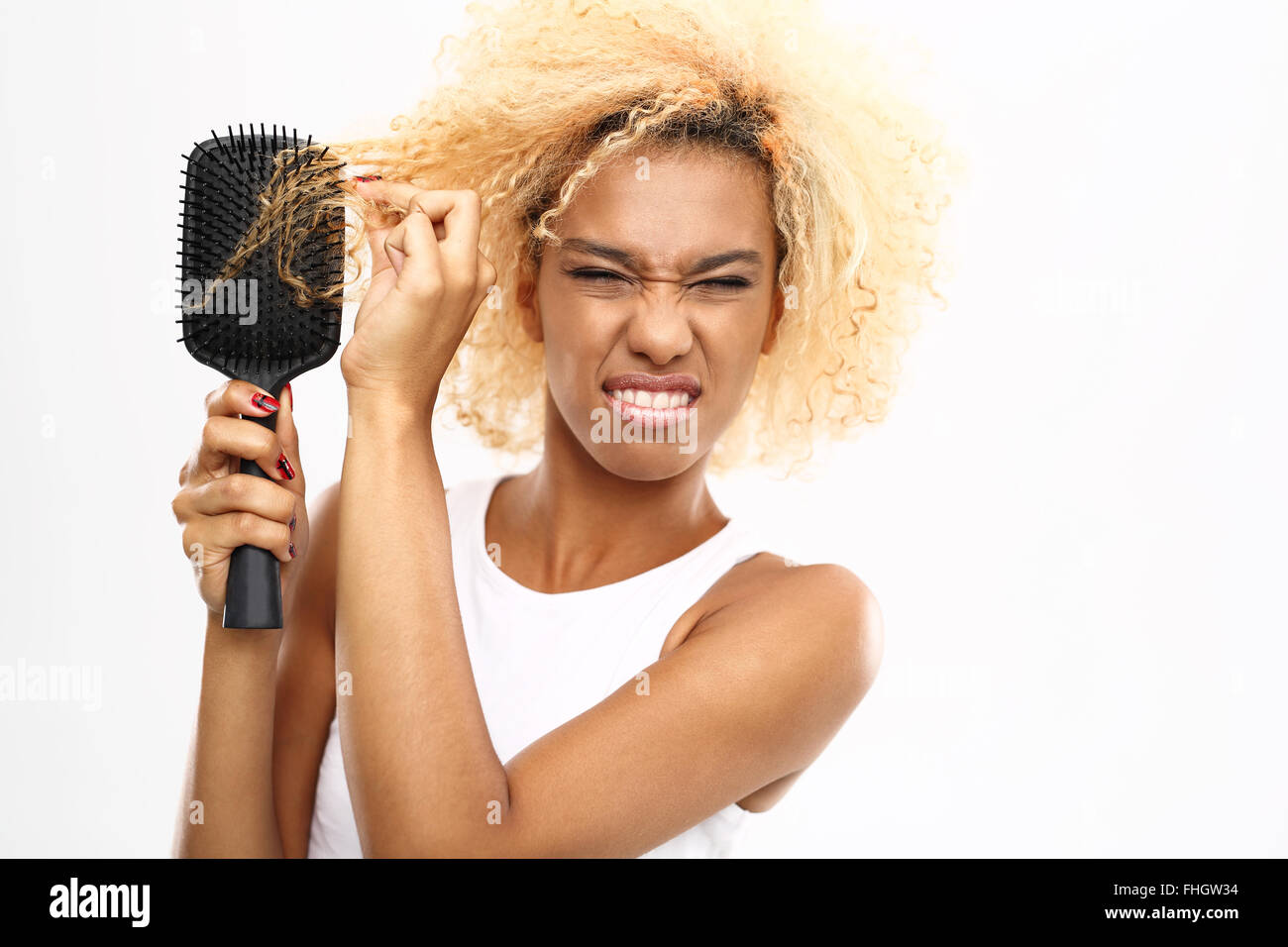
There’s a right way and a wrong way to finger comb hair, and we’ll teach you the right way here. With its easy-grip rubber handle and anti-static pad, this eco-friendly detangler is perfect for thicker hair types! Get ready to say goodbye to knots with this must-have tool in your styling arsenal. Combing can also help reduce time spent on washing day while providing some of the benefits of finger combing. But don’t be fooled into thinking this method won’t take time; it requires some practice and patience so that you avoid split ends which leads to more tangling! Let’s explore why finger combing could benefit us all by looking at its pros, cons & how-to guide.
Sign up to our newsletter and get exclusive hair care tips and tricks from the experts at All Things Hair.
The process for achieving those classic looks, however, can be kind of intimidating. After years of researching and binge-watching YouTube videos, I finally took the plunge in January and got a Middy haircut. The Middy is a “U”-shaped, blunt-layered cut that was popularized during World War II. When you think of classic Hollywood starlets like Marilyn Monroe or Rita Hayworth, this is the haircut they had.
The best hair dryer 2024: top blow dryers from Dyson, GHD, Revlon and more - TechRadar
The best hair dryer 2024: top blow dryers from Dyson, GHD, Revlon and more.
Posted: Wed, 10 Apr 2024 07:00:00 GMT [source]
If you don’t like the thought of having your hair slicked down onto your head, try elevating the style with a coiffed-up quiff. Slick down your parting as you would a classic comb-over, but allow your ends to remain relaxed and curly. If you like the comb-over effect but don’t know how to go about recreating it yourself, we’ve got your back. Simple and straightforward, the humble hair comb is the definitive hair tool we all need. We round up all the different variations of this bathroom staple. With a bit of practice, it can give you beautiful natural curls without any hassle.
Work the product through your hair from root to tip to provide heat protection before blow drying. I use an oversized version that is 35″ x 35″, and fold it into a triangle. With the widest edge on the back of my neck, I tie the two ends together, making sure the middle section is below the tie. Then I flip the middle part back and tie once more into a little bow.
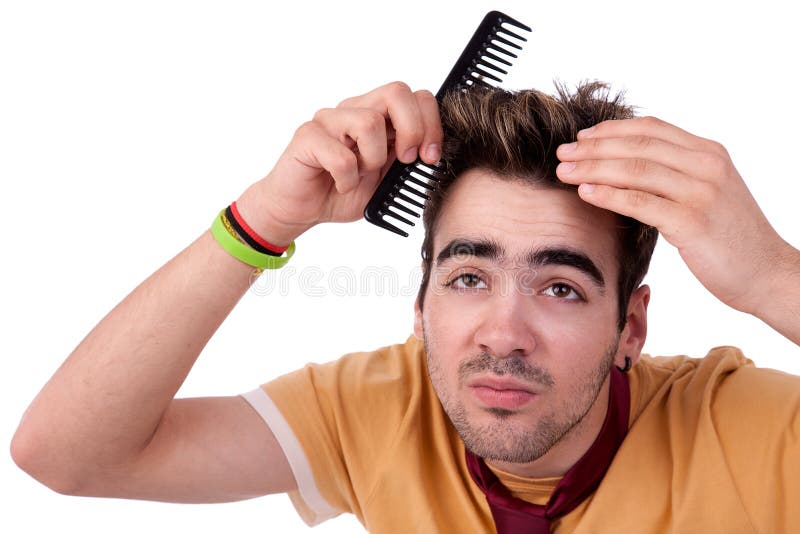
Finger Combing: What Is It and Step-by-Step How to Guide
If you’re struggling to detangle your hair, take your time rather than forcing your comb through. To comb hair in or after a shower effectively, use a wide-toothed comb made of wood or hard rubber and comb small sections of hair at a time. Avoid plastic combs as these can create a slight electrical charge as they move through your hair. Even with the best hair brushing techniques, there still may be a few tangles left in after washing.
Are you ready to free up your tresses with a new way of detangling? By using just your hands and fingers, you can easily work through knots without tugging or tearing at strands. Use a de-tangling spray before brushing in the mornings (or at any time of day on knotted hair) to help remove tangles. Brush your hair gently from the ends upwards to ease out tangles. Pulling a brush roughly through your hair from top to bottom can worsen tangles, cause breakage, and scratch your scalp.
The thing you need to understand about finger-detangling is that there’s no way to guarantee all the knots are gone after a given session. What’s more is that, no matter how well you finger-detangle, there will be some shed hairs left behind. This detangler contains several slippery ingredients that smooth your hair cuticles and make your strands super slick. What’s more is that a little goes a long way, so you won’t have to use a ton of product to detangle your hair. With the right products and technique, you can achieve beautiful, healthy, tangle-free hair in no time. Try the SALONSOLUTIONS Wide-Tooth Detangling Comb for a quick and comforting comb through your curls.
Start by taking a small amount of the L’Oréal Paris Studio Line Overworked Hair Putty and rubbing it between the palms of your hands. Then, apply the paste to your hair by running your fingers through it. To create messy texture, use your comb to brush through your hair in various directions.
Medium-tooth combs are also effective for use with hair products but shine when styling medium-length to long hair. Wide-tooth combs are ideal for detangling curly hair or straight hair when it’s wet. Moisturization tips are key to protecting your hair while heat protection is essential when styling different types of hair. A good option is combining finger combing with other tools like wide-tooth combs or soft-bristled brushes that won’t damage strands. Most people brush their hair after the shower, but what they don’t realize is that wet hair is especially vulnerable, making it that much more important to be gentle and to comb correctly. Starting at the scalp can lead to snarls, frizz (give these frizz-fighting secret weapons a try), and damage!
If needed, lightly moisten the hair and gently work through knots with your fingers to achieve smoothness and shine. Try lightly spraying your hair with water and then using gentle, round-ended pins to reduce catching or dragging in the hair. A combination of finger combing and tools such as a wide-tooth comb can help you achieve defined ribbon-like curls without breaking or causing split ends. You already know it’s important to be gentle on hair—particularly when wet—but when it comes to your hairline, it’s even more critical. According to Kingsley, these hairs tend to be finer and more delicate. Plus, this is the area most people tend to fuss with the most, so it’s super prone to wear-and-tear.
Rigorous editorial guidelines, industry recognitions, and features in numerous media outlets evidence his expertise. Kenneth’s commitment to transparency, quality, and empowerment has positioned him as a trusted voice in the field, empowering readers to confidently embrace their natural beauty. Most of us have used a comb all our lives and can’t imagine never picking one up for detangling.



No comments:
Post a Comment